

From Policing to Coaching
From Policing to Coaching: How AI is Redefining the EHS Professional’s Role
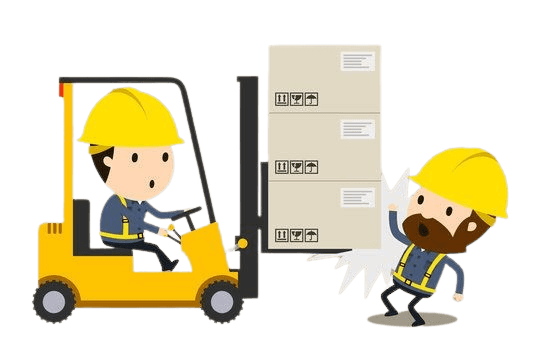
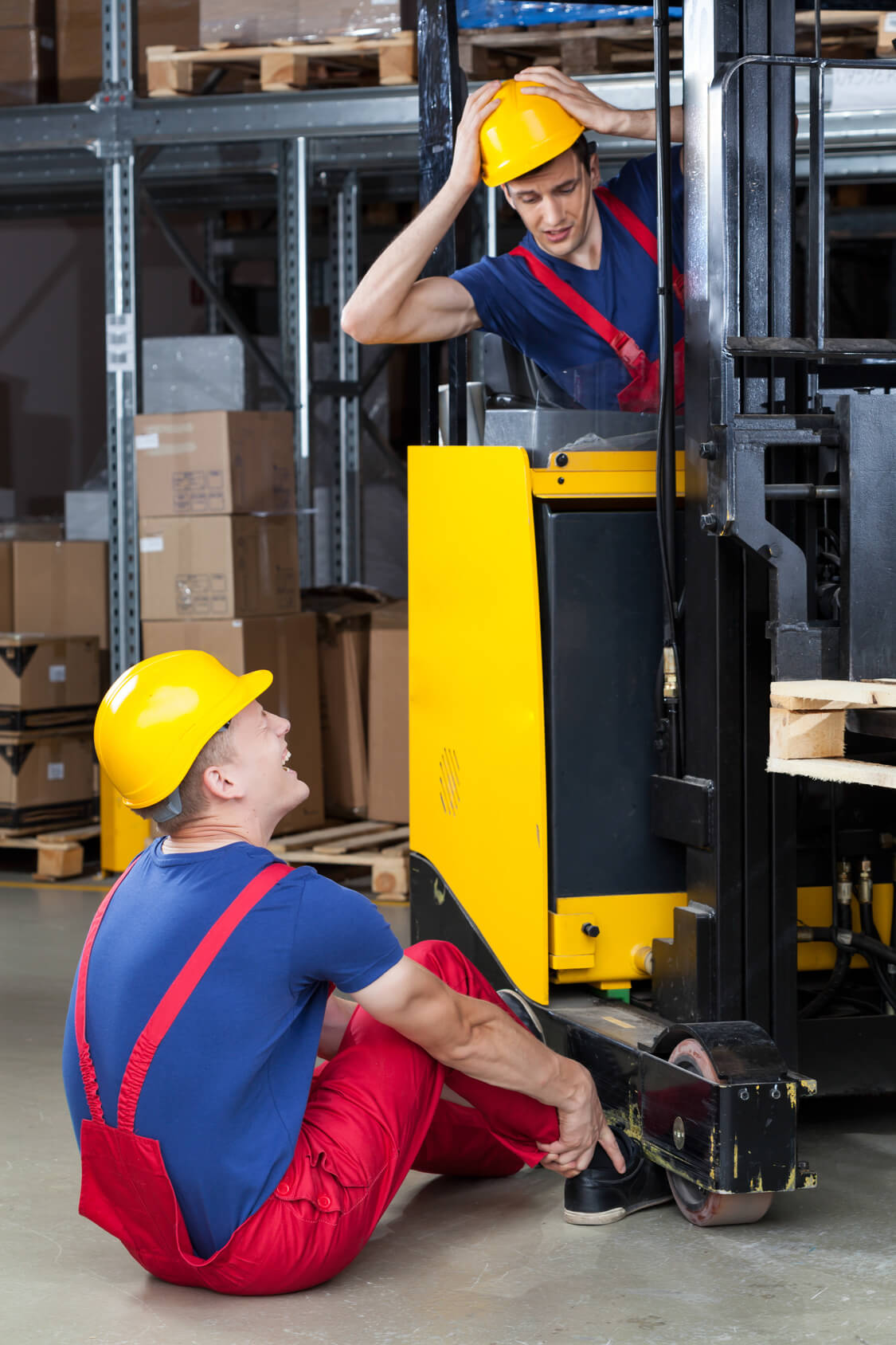
For decades, the role of the Environmental, Health, and Safety (EHS) professional in warehouse environments has often been likened to that of a traffic warden. The “Safety Conversation” was traditionally reactive—centered around identifying infractions, checking boxes on compliance lists, and policing operator behavior after an incident or a near-miss had already occurred.
However, a fundamental shift is underway. The integration of Artificial Intelligence (AI) and advanced computer vision into forklift operations is doing more than just preventing collisions; it is fundamentally rewriting the DNA of workplace safety. We are moving away from the era of policing behavior and entering the age of coaching performance.
The Limitations of Traditional Policing
Traditional forklift safety relies heavily on manual oversight. Managers review grainy CCTV footage or rely on audible alarms that operators eventually tune out (alarm fatigue). In this model, the interaction between EHS personnel and operators is often disciplinary.
“When an operator is approached only when a rule is broken, it creates a culture of ‘compliance through fear’ rather than ‘safety through mastery.'”
The AI Paradigm: Real-Time Intelligence
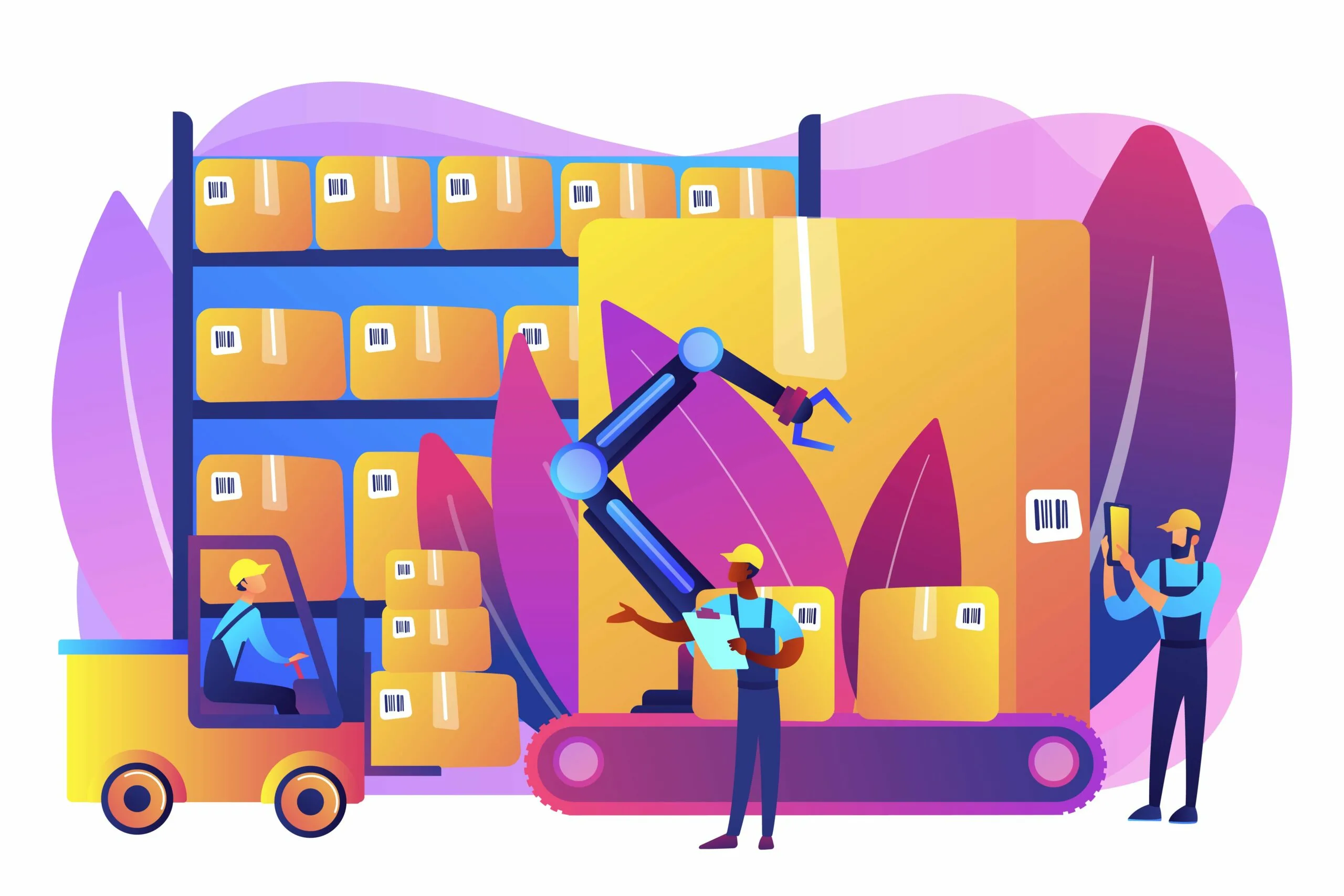
AI-powered forklift safety systems, like those pioneered by Teknect.ai, utilize edge computing and computer vision to understand the environment in 3D. These systems distinguish between static obstacles and human pedestrians, predicting potential path intersections before they happen. But the true value for the EHS professional lies in the data generated by these interactions.
Objective Data Over Subjective Observation
AI removes the subjectivity from safety evaluations. Instead of “I think that operator drives too fast,” EHS leads now have access to “Operator X consistently exceeds safe speeds at Intersection B during the third shift.” This objective data transforms a confrontation into a consultation.
Identifying the ‘Why’ Behind the Behavior
Policing stops at the ‘what’ (e.g., a near-miss). Coaching explores the ‘why’. AI heatmaps and telemetry might reveal that operators are taking risks because a specific warehouse aisle is poorly laid out, forcing tight turns. By addressing the root cause, EHS professionals become internal consultants rather than just enforcers.
Moving the Needle: The Coaching Conversation
When AI handles the “policing” by providing real-time alerts and automated logging, the EHS professional is freed to focus on high-value human interaction. The conversation shifts from “You were speeding” to “I noticed the system alerted you three times today; let’s look at the footage together and see how we can improve your approach to those blind spots.”
- Positive Reinforcement: AI can track ‘safe streaks,’ allowing managers to reward performance rather than just punishing failure.
- Personalized Training: Data allows for ‘surgical’ training interventions. If an operator struggles with load stability, their training can be tailored specifically to that skill gap.
- Reduced Friction: When operators see AI as a tool that helps them get home safely—rather than a ‘spy’—buy-in for safety protocols increases exponentially.
Conclusion: A Safer, More Efficient Future
The integration of AI into forklift operations is not about replacing human oversight; it is about augmenting it. For Teknect.ai, the vision is clear: by leveraging intelligent technology, we enable EHS professionals to build a culture of continuous improvement. When we stop policing and start coaching, we don’t just reduce accidents—we elevate the entire standard of industrial performance.
