


How AI-Enabled Forklift Safety Systems Empower EHS Professionals to Build Safer Teams
In the high-stakes environment of warehouse and manufacturing logistics, Environmental, Health, and Safety (EHS) professionals have traditionally been forced to play the role of “safety police.” Relying on manual observations and post-incident reports, the approach was inherently reactive.
However, the rise of AI-enabled forklift safety systems is fundamentally changing the “Safety Conversation.” By leveraging computer vision and machine learning, these systems provide the objective, real-time data necessary to move from policing behavior to coaching performance.
1. Transforming Subjective Observations into Objective Data
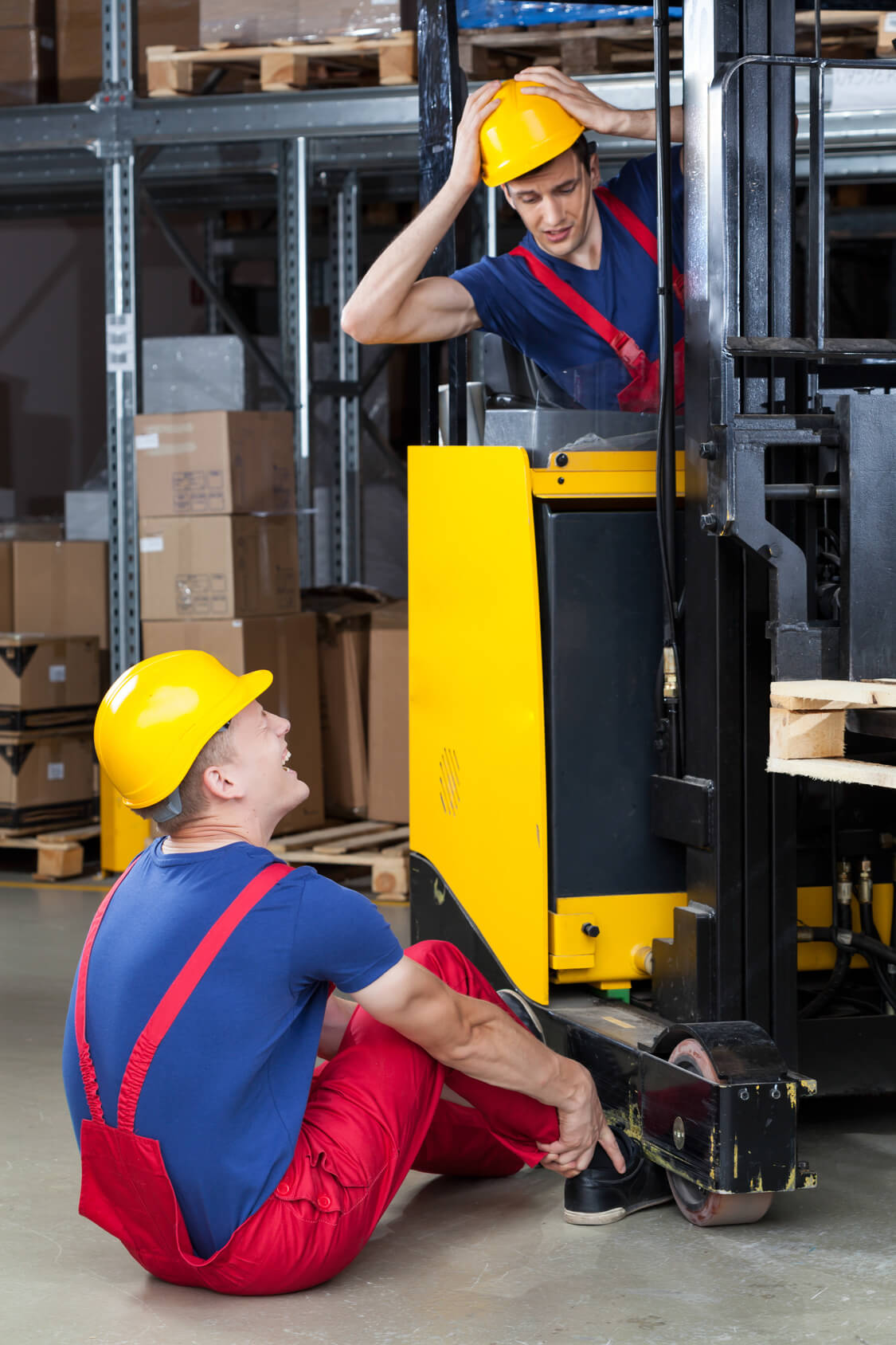
One of the greatest hurdles for an EHS manager is the lack of visibility into “near-misses.” Traditionally, if an incident wasn’t reported, it didn’t happen. AI safety systems change this by automatically flagging:
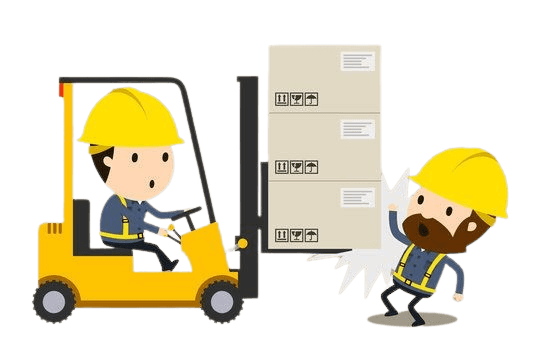
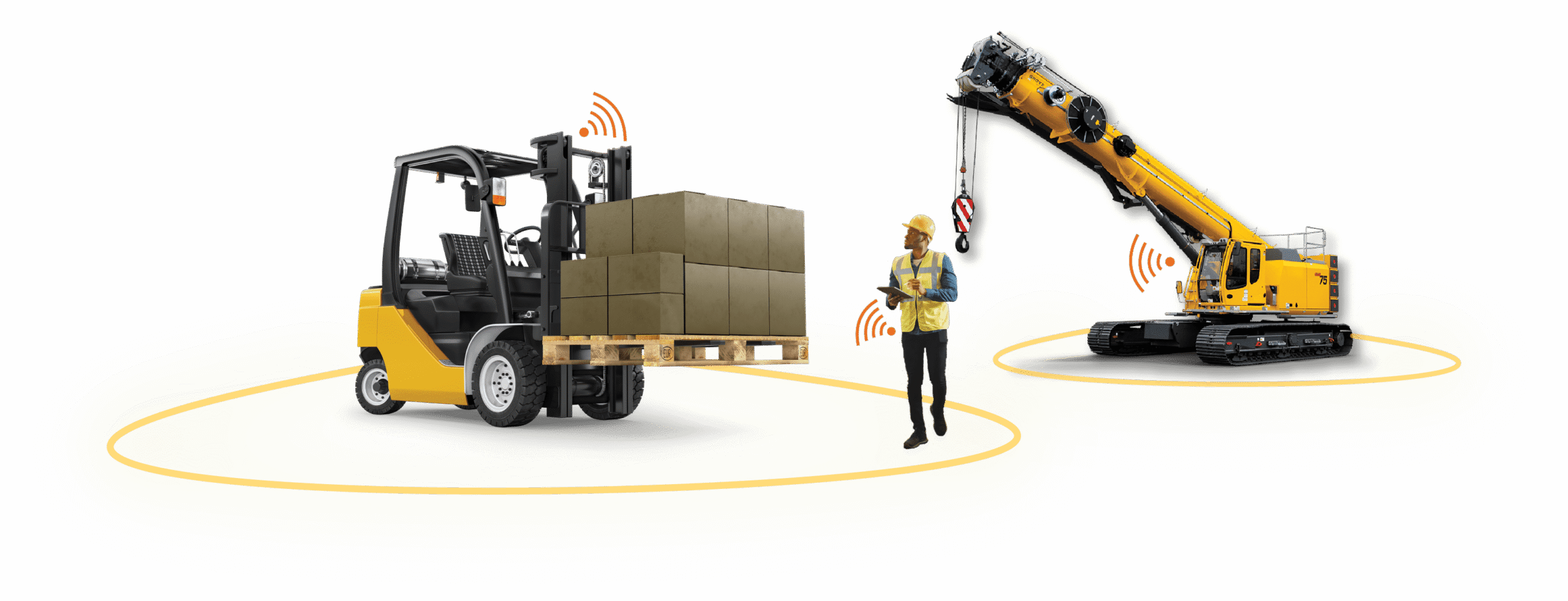
- Proximity Violations: When a forklift gets too close to a pedestrian.
- Blind Spot Intrusions: Detecting hazards the operator cannot see.
- Erratic Driving: Identifying harsh braking or sharp turns.
The EHS Interaction: Instead of approaching a driver with “I heard you were speeding,” you can present an objective data log. This shifts the conversation from a confrontation to a collaborative review of a specific event.
2. Targeted Coaching vs. Blanket Training
General safety meetings often fail to resonate because they address the “average” worker rather than the specific risks present on your floor. AI systems generate individual safety scores and heatmaps. This allows EHS professionals to:
- Identify high-risk operators who need specific mentorship.
- Recognize and reward top-performing drivers, boosting morale.
- Tailor training modules to address actual recorded behaviors.
The EHS Interaction: Instead of approaching a driver with “I heard you were speeding,” you can present an objective data log. This shifts the conversation from a confrontation to a collaborative review of a specific event.
3. Identifying Systemic Friction Points
Sometimes, “unsafe behavior” is a symptom of a flawed facility layout. AI-driven heatmap analytics show where pedestrians and forklifts cross paths most frequently. When an EHS professional sees a “hot zone” on the digital map, they can engage the team in a tactical walkthrough.
The Dialogue: “The system shows a 40% increase in near-misses at the North Gate. Is the lighting poor there, or is the traffic flow congested?”
The Result: You aren’t just telling people to be safe; you are actively removing the obstacles that make their jobs dangerous.
4. Reducing Cognitive Load for Operators
Constant manual monitoring creates a high-stress environment. AI acts as a “digital co-pilot” that provides immediate, non-judgmental feedback through in-cab alerts.
By the time an EHS professional interacts with the team, the immediate danger has already been mitigated by the technology. This allows the human manager to focus on high-level strategy, mental health, and long-term safety culture rather than micro-managing every movement on the floor.
Conclusion: Data-Driven Empathy
The goal of AI in forklift safety is not to replace the EHS professional, but to provide them with a clearer lens. When you have the data to back up your safety initiatives, your interactions with the team become more transparent, more respectful, and infinitely more effective.
Ready to modernize your safety culture?
View our AI Safety Solutions at www.teknectglobal.com
Schedule a Demo