

Why “What Worked Yesterday” Will Fail You Today
The AI Revolution in Forklift Safety
Quick Answer
AI-powered forklift safety systems use real-time computer vision, operator behavior monitoring, and predictive maintenance data to prevent accidents before they happen — replacing the outdated practice of judging safety by a clean incident history. Facilities that adopt these leading indicators catch fatigue, blind-spot collisions, and equipment failure before they cause harm, not after.
“We didn’t have any incidents yesterday, last week, or last month — so what we’re doing must be working.”
In the safety industry, this belief has a name: the safety assumption. It’s the habit of measuring safety by the absence of accidents rather than the presence of active defenses.
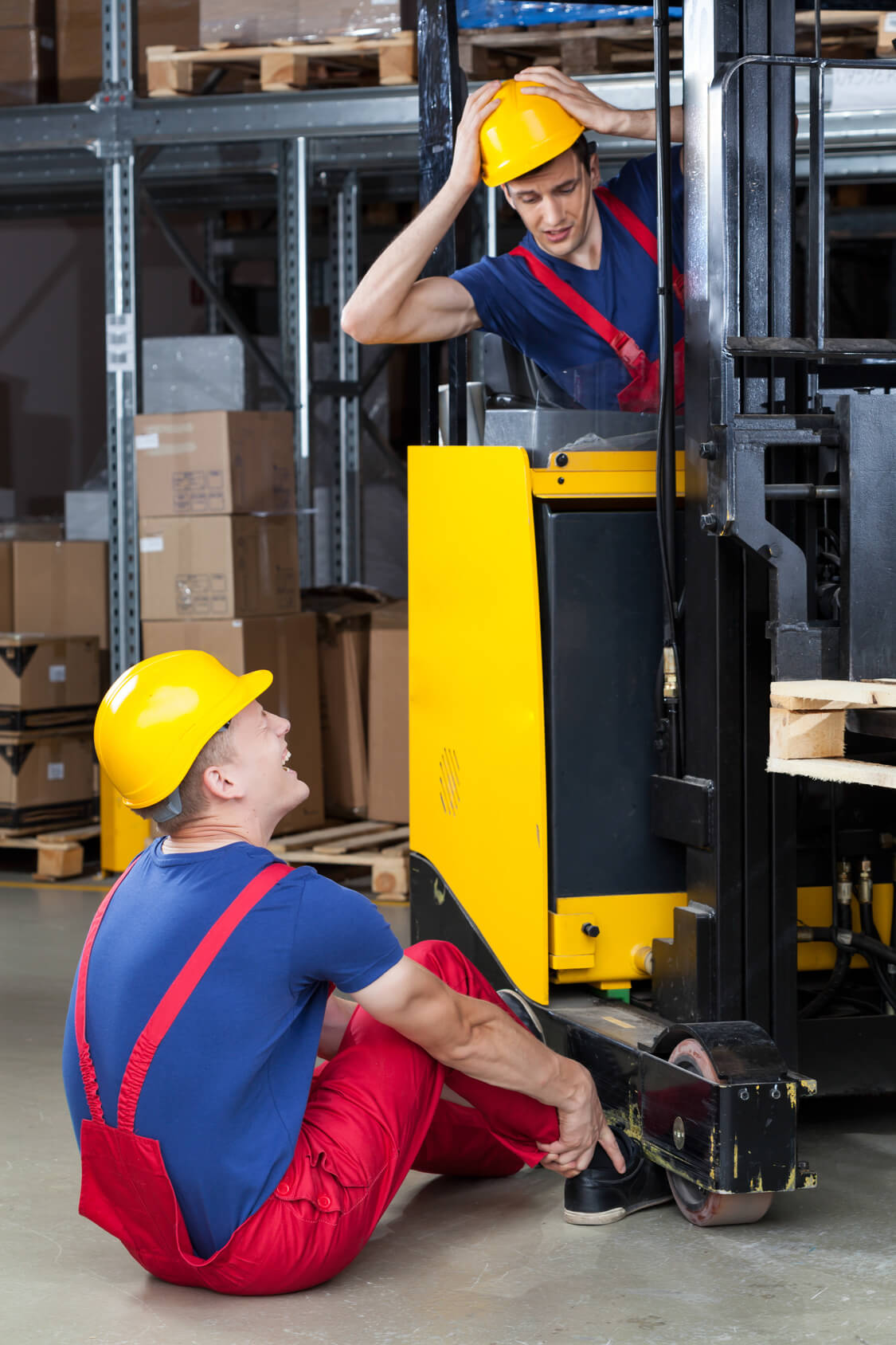
In a fast-paced modern warehouse, relying on yesterday’s clean record is a dangerous gamble — especially around forklifts, one of the most necessary yet inherently hazardous machines on any shop floor.
According to OSHA, forklift accidents cost businesses millions of dollars annually and cause tens of thousands of serious injuries. If you’re waiting for an accident to force a change in protocol, you’re already behind.
This article breaks down why “what worked yesterday” no longer works today, and how artificial intelligence is shifting warehouse safety from reactive luck to proactive protection.
The Flaw of the “Safety Assumption”
Traditional forklift safety relies on lagging indicators: incident reports, near-miss logs (which are notoriously underreported), and annual certification checks. These tools describe the past. They don’t predict the future.
The core problem is complacency. When an operator navigates a tight, blind-spot corner successfully 99 times, the safety assumption quietly tells them the behavior is safe. On the 100th pass, a pedestrian steps out — and the assumption collapses.
Yesterday’s luck was never a strategy; it was a coincidence that hadn’t run out yet.
Lagging indicators also suffer from reporting gaps. Operators often don’t log near-misses because nothing “technically” happened, which means the data managers rely on is incomplete before they even start analyzing it.
Enter Data-Driven Safety: The Role of AI
Breaking the cycle of the safety assumption requires a shift toward leading indicators — real-time data that predicts and prevents incidents before they occur. This is where AI and modern telemetry come in.
AI doesn’t just record what happened; it interprets what is happening right now, in context. Below are the three areas where AI is actively reshaping forklift safety — one picture, one focus area, per tab.
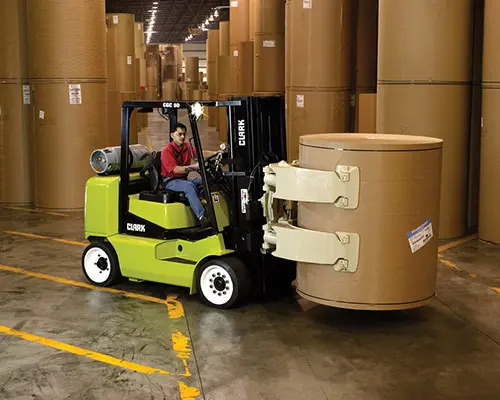
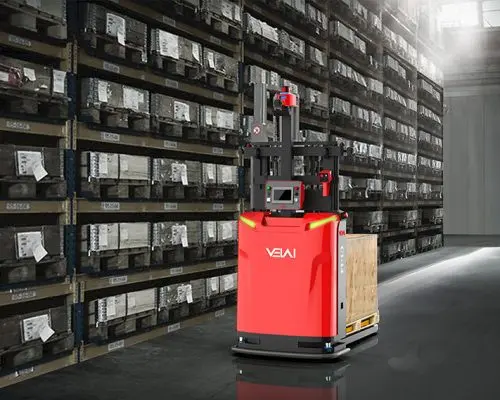
Computer Vision & Proximity Detection
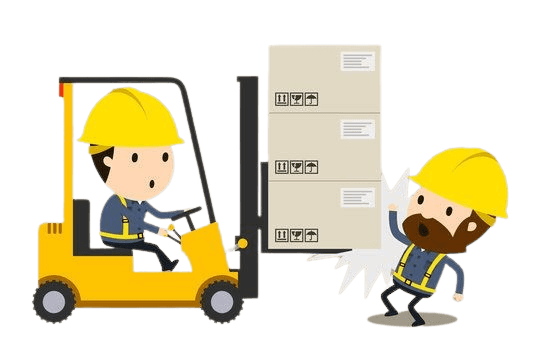
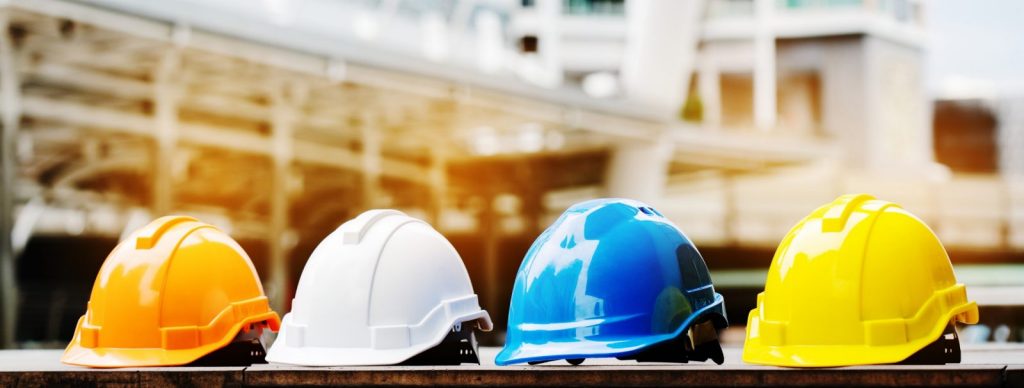
Traditional proximity sensors beep indiscriminately at any nearby object, leading to “alarm fatigue,” where operators simply tune the noise out. AI-powered cameras use computer vision to tell the difference between a cardboard box and a human being. When a pedestrian enters a forklift’s danger zone, the system can automatically slow the vehicle or trigger a high-priority visual alert.
Behavioral Analytics & Operator Fatigue
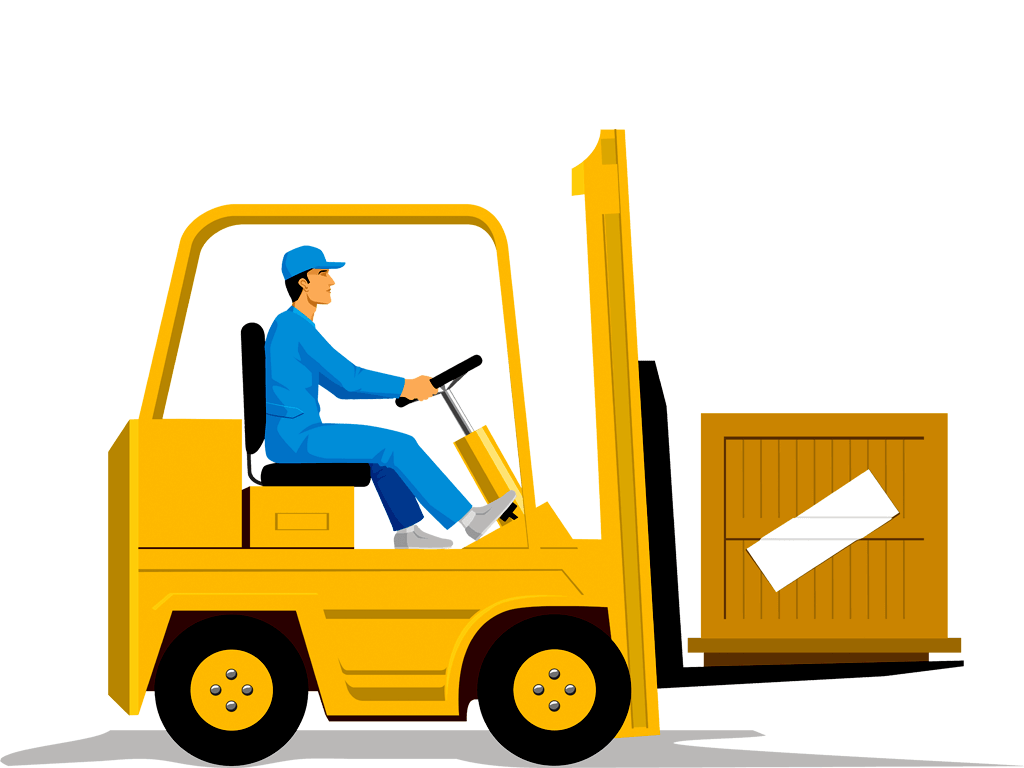
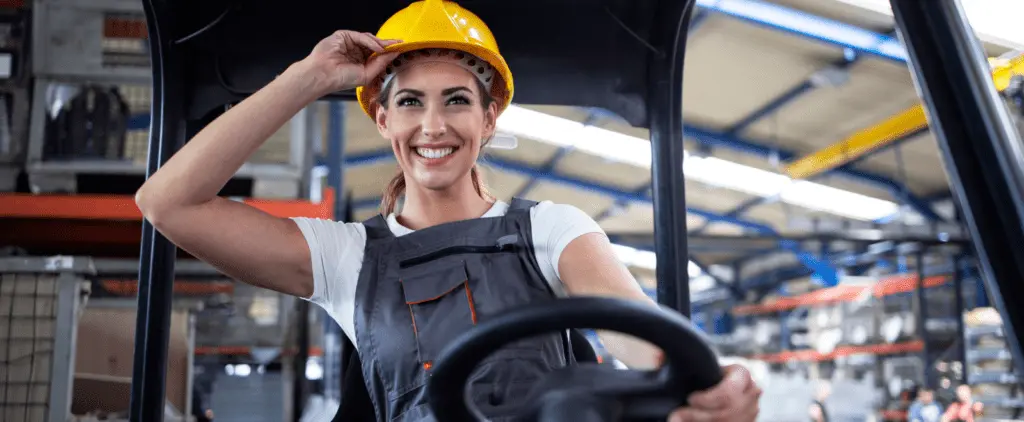
Human error is a factor in the large majority of forklift accidents. Fatigue, distraction, and rushed quotas all lead to sloppy driving. In-cab AI sensors can monitor operator behavior in real time, flagging signs of micro-sleep, mobile phone distraction, or repeated harsh braking — giving managers time to intervene before a crash, not after.
Predictive Maintenance vs. Reactive Fixes
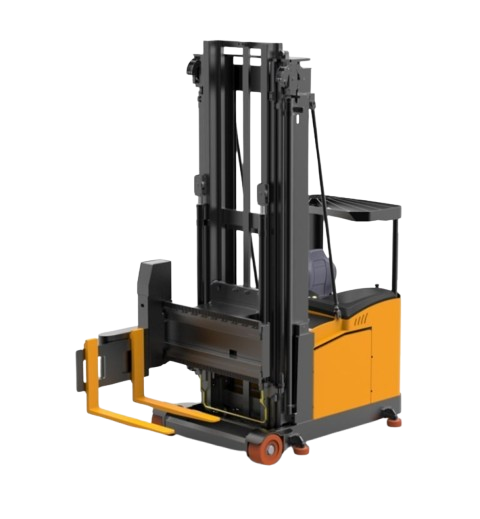
A forklift with worn brakes or a faulty hydraulic lift is a ticking time bomb, and calendar-based maintenance schedules don’t account for how hard a specific machine has actually been run. By analyzing sensor data on usage patterns, AI can predict when a component is likely to fail based on real wear, not an arbitrary date on a checklist.
Leading vs. Lagging Indicators
A quick side-by-side of what each safety approach measures, and how early it gives you a warning.
| Safety Approach | What It Measures | When You Learn About Risk | Example |
|---|---|---|---|
| Lagging (traditional) | Past incidents and injuries | After the event | Reviewing last quarter’s accident report |
| Lagging (traditional) | Annual certifications | Once a year, regardless of behavior | Operator re-certification exam |
| Leading (AI-driven) | Real-time proximity to pedestrians | Instantly, before contact | Computer vision slows the forklift automatically |
| Leading (AI-driven) | Operator fatigue signals | During the shift | In-cab sensor flags micro-sleep or harsh braking |
| Leading (AI-driven) | Equipment wear patterns | Days or weeks before failure | Predictive maintenance alert on hydraulic lift |
What the Data Says: 2026 Adoption
[Insert original data here.] This is the single highest-impact gap left in this article — AI/GEO search engines prioritize pages with original stats, survey results, or first-hand data over pages that only restate public figures like OSHA’s. Consider adding one of the following before publishing:
- An internal stat: e.g., “% reduction in near-misses after AI proximity sensors were installed across our facilities.”
- A short survey of your own customers or operators (even 20–30 responses count as original data).
- A direct quote from a safety manager or operator using the system.
Search terms worth targeting here for reporter/journalist backlinks: “forklift accident statistics 2026,” “warehouse AI safety adoption rate,” “OSHA forklift injury data 2026.”
How AI Creates a Proactive Safety Culture
Implementing AI isn’t about surveillance for its own sake or punishing operators. Framed correctly, data-driven safety empowers the workforce rather than policing it.
Objective feedback. Operators get instant, non-judgmental feedback on their driving habits, letting them self-correct in the moment rather than during an annual review.
Targeted training. Instead of generic annual safety seminars, managers can deliver micro-training aimed at specific, observed behaviors.
Dynamic risk mapping. Aggregated data can generate heatmaps showing where near-misses or sudden braking cluster, so managers can redesign traffic flow before an incident forces the redesign.
Moving Beyond Yesterday
The mindset of “we’ve always done it this way and nothing bad has happened” is one of the greatest threats to a warehouse workforce. It feels like evidence of safety, but it’s really just an absence of data.
AI and data-driven technology remove the guesswork from industrial safety. They replace the fragile assumption of safety with concrete, actionable insight — helping ensure that every worker who walks into the facility goes home safely at the end of their shift.
The facilities that adopt this shift earliest tend to see two compounding benefits: fewer injuries, and a workforce that trusts the safety program because it’s built on evidence they can see, not a policy binder that only gets opened after something goes wrong. That trust is hard to build after an incident and much easier to build before one.
Getting Started: Implementation
Adopting AI safety tools doesn’t have to mean replacing your entire fleet overnight. Most facilities start with a phased rollout, testing one technology on a subset of forklifts before scaling facility-wide.
Audit Your Current Blind Spots
Before choosing a vendor, map where near-misses actually happen. Talk to operators directly — they usually know which corners, aisles, and loading docks feel riskiest, even if those incidents were never formally logged.
Pilot One Technology at a Time
Start with the highest-risk gap. If pedestrian-forklift interaction is the biggest concern, pilot computer vision proximity detection first. If equipment age is the bigger issue, start with predictive maintenance sensors instead. Running one pilot at a time makes it easier to measure what’s actually working.
Build Operator Buy-In Early
AI monitoring tools fail when operators see them as surveillance rather than support. Involve operators in the rollout, explain what the data is used for, and be transparent that the goal is fewer injuries, not disciplinary write-ups.
Set a Review Cadence
Leading indicators are only useful if someone reviews them regularly. Set a weekly or biweekly cadence to review fatigue alerts, near-miss heatmaps, and maintenance flags — and assign clear ownership so the data actually turns into action.
Frequently Asked Questions
What is the “safety assumption” in forklift operations?
It’s the belief that a clean accident record means current safety practices are working, even though that record reflects past luck rather than active, ongoing protection.
How does AI prevent forklift accidents before they happen?
AI systems use computer vision to detect pedestrians, in-cab sensors to catch operator fatigue or distraction, and predictive analytics to flag equipment likely to fail — addressing risk in real time instead of after an incident.
What’s the difference between leading and lagging safety indicators?
Lagging indicators describe what already happened. Leading indicators predict and help prevent what’s about to happen.
Is AI forklift monitoring meant to punish operators?
No. Used correctly, it gives operators objective, real-time feedback so they can self-correct, and gives managers data for targeted coaching rather than blanket punishment.
Related Reading
To build topical authority around this pillar page, link out to supporting cluster articles such as:
- How to Choose AI Proximity Sensors for Your Warehouse
- OSHA Forklift Certification Requirements Explained (2026 Update)
- 5 Signs Your Warehouse Needs Predictive Maintenance Now
- Alarm Fatigue in Industrial Settings: Causes and Fixes
