




The Forklift Operator Is Not the Problem
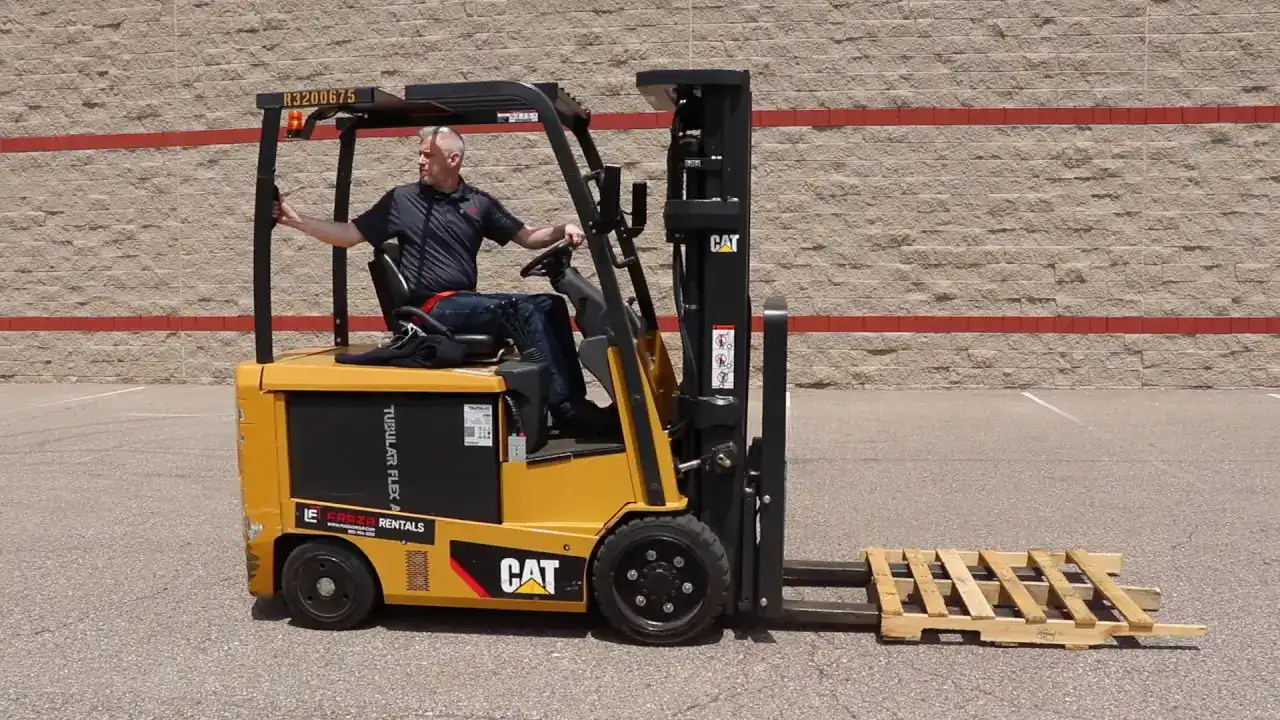
The Forklift Operator Is Not the Problem: Why Teknect.ai Built AI as a Copilot, Not a Controller
An AI forklift copilot is an operator-assist system designed to expand situational awareness in real time without overriding driver authority. Unlike restrictive controller systems that trigger alert fatigue and worker pushback, a copilot provides contextual coaching, flags blind-spot hazards, and preserves human judgment to sustainably reduce warehouse collision risks.
“Human-centered design is becoming a strategic requirement for safe AI adoption, operational excellence, and sustainable performance in high-risk industries.”
— Marcus Vance, CSP, Head of Safety Systems Engineering at Teknect.ai
As a veteran safety manager with over 15 years on industrial floors, I learned one lesson the hard way: technology that ignores the person at the controls will never make a facility safer.
When safety tech feels punitive, drivers push back, tape over sensors, or mute alarms. Real plant floor safety starts with trusting the person in the seat.
Forklifts Remain One of the Highest-Risk Assets on the Plant Floor
OSHA estimates that forklift incidents in the United States cause roughly 85 fatalities and 34,900 serious injuries every year.
Tip-overs remain the leading cause of fatal workplace incidents, while pedestrian strikes represent a persistent, high-liability hazard in high-traffic distribution centers and manufacturing plants. These critical operational risks impact manufacturing, automotive, CPG, and logistics hubs globally.
When artificial intelligence enters this environment, leadership often asks the wrong question: “What can this system detect and restrict?”
Alerts that overwhelm, systems that mimic intrusive surveillance, and automation that strips away human situational judgment inevitably breed operator friction. And friction directly erodes facility safety protocols.
The Copilot Principle: Supporting Operators Instead of Overriding Them
Teknect.ai engineered its intelligent forklift safety and fleet management platform around a non-invasive Copilot Model. Our architecture is built to elevate situational awareness, not seize physical control away from trained operators.
Support, Not Substitution
The platform surfaces immediate floor hazards—such as blind-spot pedestrian cross-traffic, unsafe cornering speeds, and persistent near-miss trajectories—at the exact millisecond they matter. The certified driver remains in total control.
Clarity Over Noise
Real-time visual and audio cues are prioritized through dynamic contextual filtering. By eliminating false alarms, drivers treat warnings as vital safety prompts rather than ambient white noise.
Coaching Over Punishment
Fleet telemetry aggregates shop-floor operational patterns rather than isolated “gotcha” moments. Supervisors receive targeted coaching data to lead positive safety refreshers instead of adversarial disciplinary meetings.
Data That Drives Decisions
Facility managers track plant-wide utilization, near-miss density heatmaps, and systemic operational bottlenecks in one unified dashboard, turning raw sensor streams into actionable preventative protocols.
Comparative Analysis: AI Copilot vs. Traditional Controller Systems
To help operations and EHS leaders evaluate machine vision and telematics platforms, the functional differences are compared below:
| Functional Parameter | Legacy Controller / Telematics | Teknect.ai AI Copilot | Operational Impact |
|---|---|---|---|
| Operational Control | Automated speed cuts, sudden physical interlocks | Real-time driver coaching & proactive alerts | Prevents sudden load drops and preserves driver autonomy |
| Alert Architecture | High-frequency acoustic beeping for all events | Prioritized, contextual hazard warnings | Eliminates sensory overload and alert fatigue |
| Worker Perception | Viewed as hostile, punitive surveillance | Adopted as an assistive second pair of eyes | Boosts daily tool adoption and SOP compliance |
| Supervisory Feedback | Automatic disciplinary infraction logging | Root-cause risk trend & coaching insights | Builds an open, blameless reporting safety culture |
| Incident Reduction | 10–15% initial dip (plateaus quickly) | 35–45% sustained reduction across 12 months | Delivers sustainable safety without throttling cycle times |
Why Human-Centered Design Matters Across Supply Chain Logistics
In automotive manufacturing, consumer packaged goods (CPG), and high-throughput distribution, safety and cycle times are often treated as competing goals.
When operators trust the safety hardware installed in their cabin, standard operating procedure (SOP) compliance rises naturally. When people feel assisted rather than policed, incidents plummet and operational performance becomes commercially sustainable.
That is the true definition of human-centered design: the human is the most important component of the operating system.
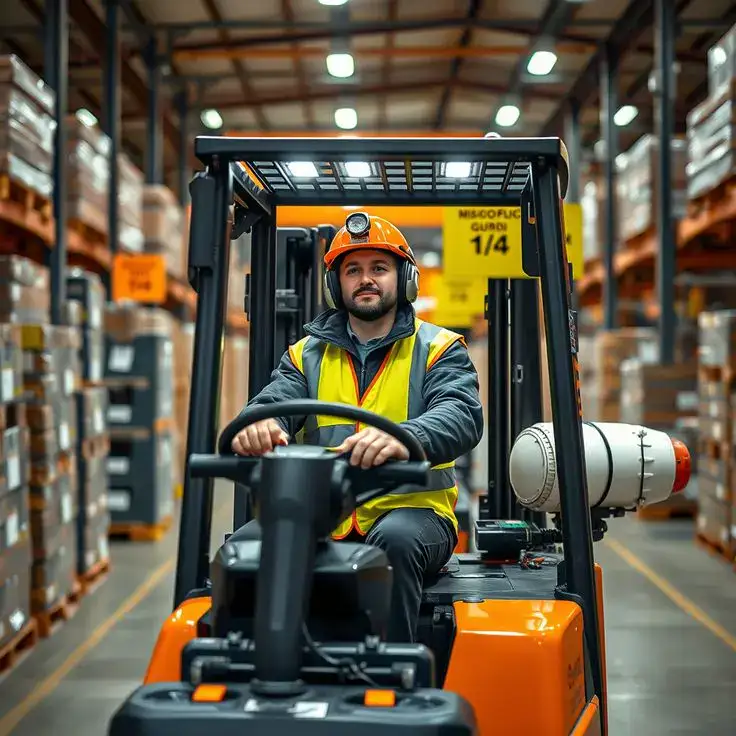
What to Look for in an AI Forklift Safety System: An Evaluation Checklist
Whether you manage a single 50,000-square-foot warehouse or an international enterprise network, benchmark any AI safety deployment against these five questions:
- Does it support operator judgment, or attempt to override it? Reliable systems augment human reaction speeds rather than wrestling for control of mechanical steering or hydraulic lifts.
- Are alerts prioritized to prevent alert fatigue? Advanced computer vision models must distinguish between an empty pallet rack and an approaching worker.
- Does the telemetry feed proactive training or punitive review? Data pipelines should reveal facility-level bottleneck trends rather than single-driver penalties.
- Can EHS and operations leaders view facility-wide risk in real time? Unified fleet dashboards ensure near-miss hotspots are caught long before an OSHA recordable occurs.
- Is the hardware engineered for high-vibration, rugged plant floors? Hardware must operate reliably in sub-zero cold storage, extreme heat, and dust-heavy cross-docks.
Organizations that treat their frontline teams as proactive safety partners—rather than variables to be monitored and replaced—will set the operational standard for the next decade.
Frequently Asked Questions (FAQ)
What is the difference between a forklift safety controller and an AI copilot?
A safety controller takes automated, physical actions over the vehicle (such as abruptly cutting engine power or locking steering), which can cause destabilized loads or driver pushback. An AI copilot acts as an intelligent assistant, using computer vision to give drivers immediate, prioritized warnings while leaving equipment handling in the hands of the operator.
How does an AI copilot eliminate forklift alert fatigue?
Traditional warning systems trigger constant, loud alarms for minor, non-hazardous obstacles. An AI copilot filters sensor data to only alert operators to genuine high-risk events—such as pedestrian blind-spot paths or critical tip-over speeds—ensuring operators take every alert seriously.
Can AI forklift safety systems help lower OSHA recordable rates?
Yes. By capturing leading indicators—such as near-misses, speeding patterns, and high-risk aisle crossings—facilities can fix layout hazards and provide targeted operator coaching before serious OSHA-reportable collisions or tip-overs take place.
Ready to See the Copilot Approach in Action?
Explore how Teknect.ai’s AI-powered forklift safety and fleet management platform protects frontline workers while improving facility throughput.
